
Chronic & Complex Pain


Why does it still hurt?
It hasn’t been addressed:
Time alone without treatment is often not sufficient to abolish symptoms.
Misdiagnosis or ineffective treatment:
This is where there can be an advantage consulting a Physiotherapist with a strong research-grounded background in assessing these types of cases.
Sensitization:
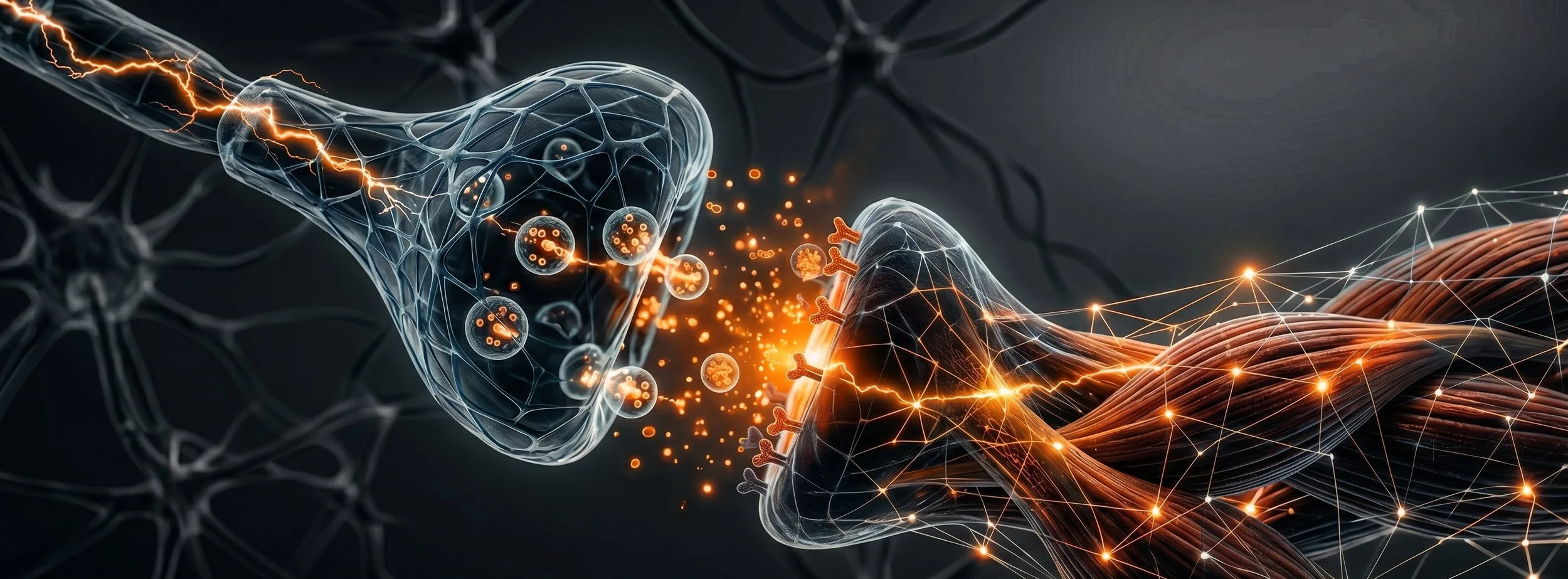
There is a host of research showing that chronic pain can create heightened pain signals in the nerves, spinal chord and brain. Physio’s can help you understand and address this crucial part of the puzzle.
How we help:
Rule out red flags:
While most patients will only require Physiotherapy, we screen during the evaluation for anything that should be followed up by your medical team. If needed, we can communicate with your doctor to request further testing.
Give you answers:
Whether it’s a second opinion or an initial diagnosis you’re after, our first step is to let you know what you’re dealing with and why it hasn’t been getting better.
Start the recovery:
Typically we’re looking to do some initial treatment during your evaluation session as well as giving you a roadmap of what to expect for the rest of the recovery.
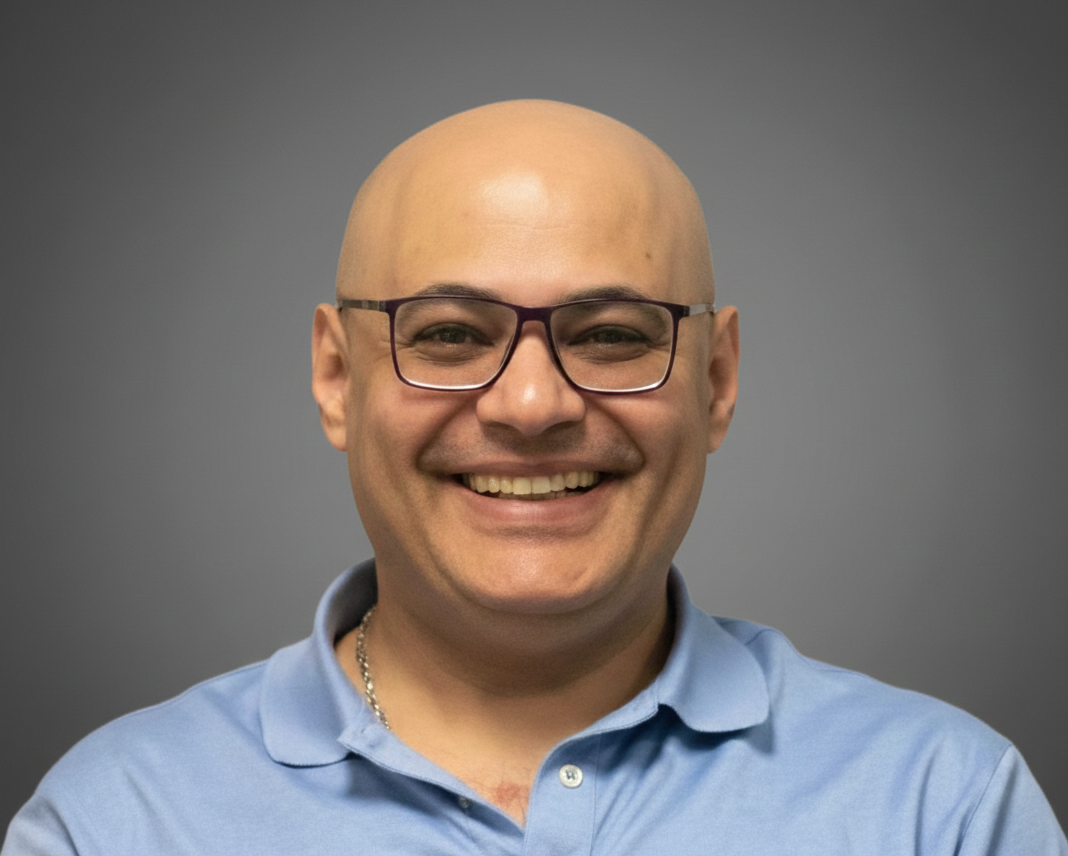
Physio Mina
Overview:
15+ years experience with diplomas in musculoskeletal medicine and rheumatology as well as several advanced practice certificates in musculoskeletal rehabilitation.
Areas of Focus:
General musculoskeletal (e.g. tendons, muscles, joints, nerve injuries)
Chronic and complex pain
Post-operative rehab
Rheumatoid conditions
Availability: Mondays & Wednesdays (Including evenings)
Languages: French, English, Arabic
Chronic Pain - Frequently Asked Questions (FAQ)
-
No. Counter-intuitively, even in cases of chronic and persistent pain, imaging is often not necessary. During your evaluation and care we will monitor for anything that requires further testing. If we feel like something is necessary, we can write you a letter for your doctor explaining the request.
-
If you’re asking this, one of the two scenarios is likely in play:
You’ve only been treated ‘passively’. For example, treatment focusing on machines (e.g. ultrasound, laser, IFC) and hands-on treatment (e.g. ‘cracking’, massage).
These are useful tools and ones we use in physio, but we know from research that they shouldn’t be heavily relied on for chronic pain as they have low effectiveness if over-emphasized in these cases. The expert recommendations to rehabilitation professionals is to employ the biopsychosocial model of care which can include: education, exercise, and lifestyle modification. These tools are designed to make you an active participant in your own recovery.
You’ve tried physio but haven’t seen results, or your progress has stalled.
Let us know if this is you! We’ll reassess so you can benefit from a second opinion, discuss which interventions you’ve already tried, and suggest some treatment options that might make a difference. Meanwhile, we’ll screen (as always) for any ‘red flags’ to make sure nothing important has been missed.